


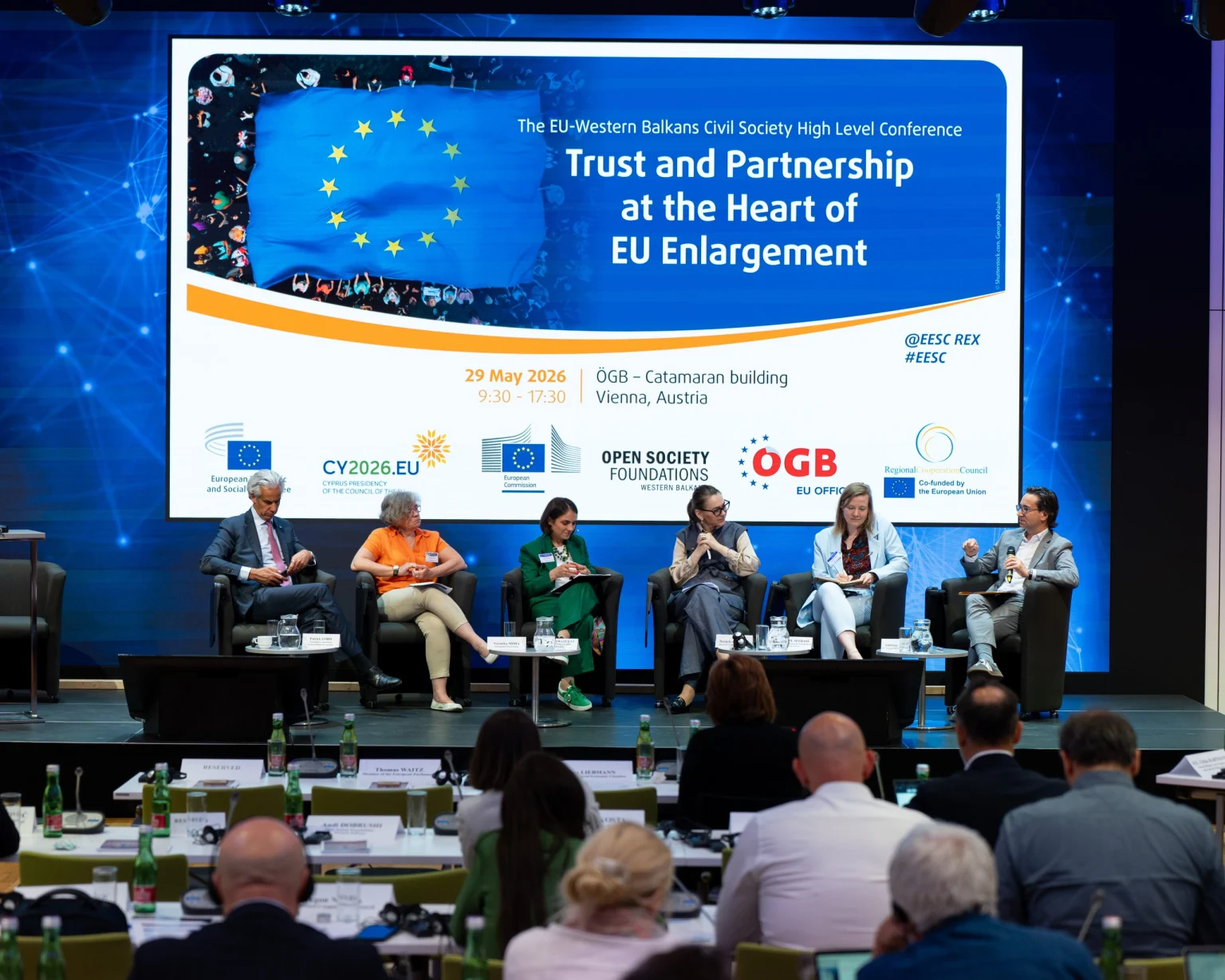

The European Economic and Social Committee (EESC) convened the conference on 29 May 2026 in Vienna, under the auspices of the Cyprus Presidency of the Council of the European Union. It brought together civil society representatives, EU institutions, policymakers, and stakeholders from the Western Balkans and EU Member States, and took place ahead of the EU–Western Balkans Summit. The conference was organized in cooperation with the European Commission, Open Society Foundations – Western Balkans (OSF-WB), and the Regional Cooperation Council (RCC), providing a platform for dialogue between governments, social partners, and civil society actors from across the region and the European Union.
Discussions focused on the role of civil society in advancing EU enlargement, strengthening democratic resilience, countering disinformation, and improving communication on enlargement. Participants also addressed civil society’s contribution to the EU Growth Plan for the Western Balkans and the future Multiannual Financial Framework (MFF), underlining the importance of sustained reform momentum and socio-economic convergence.
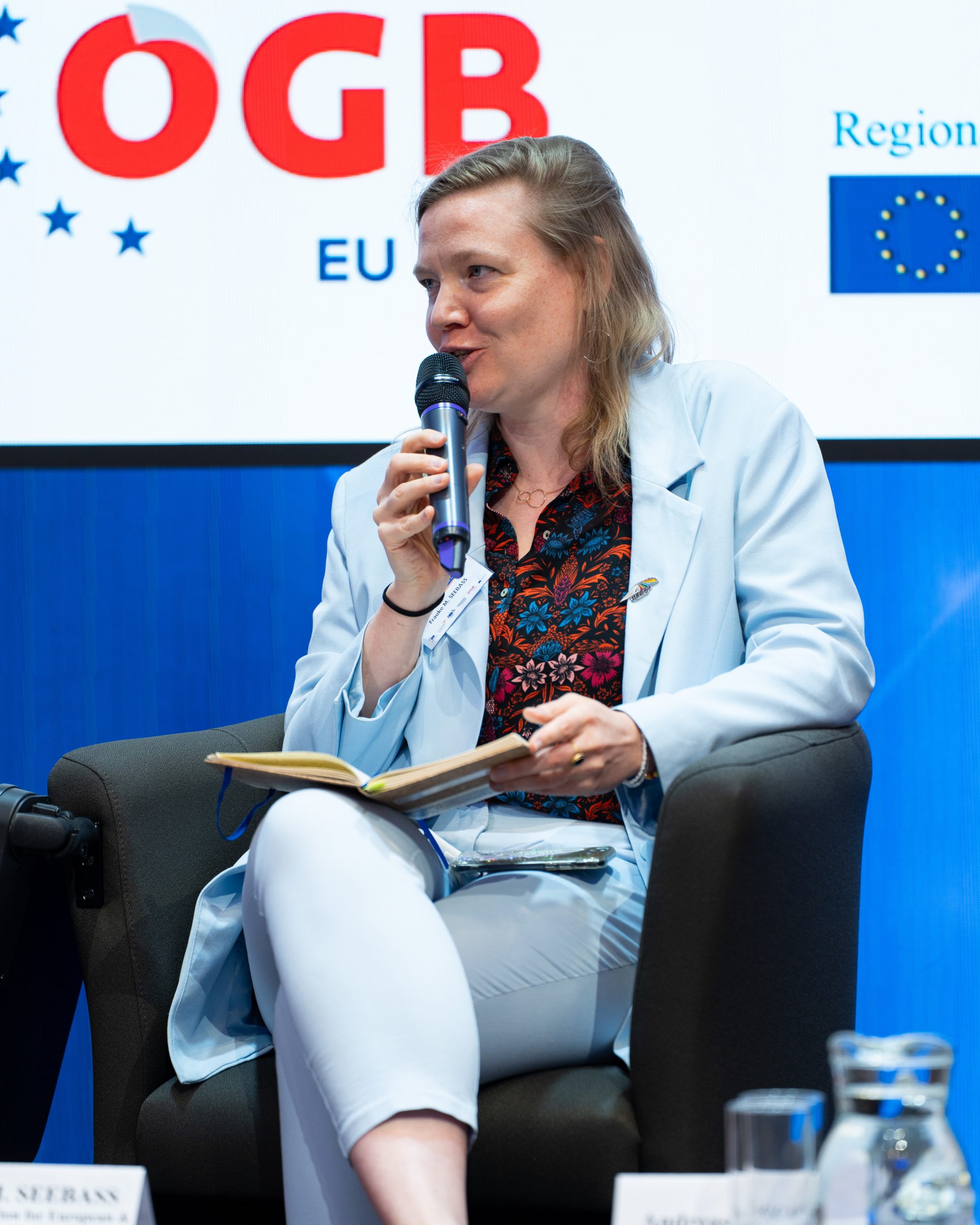
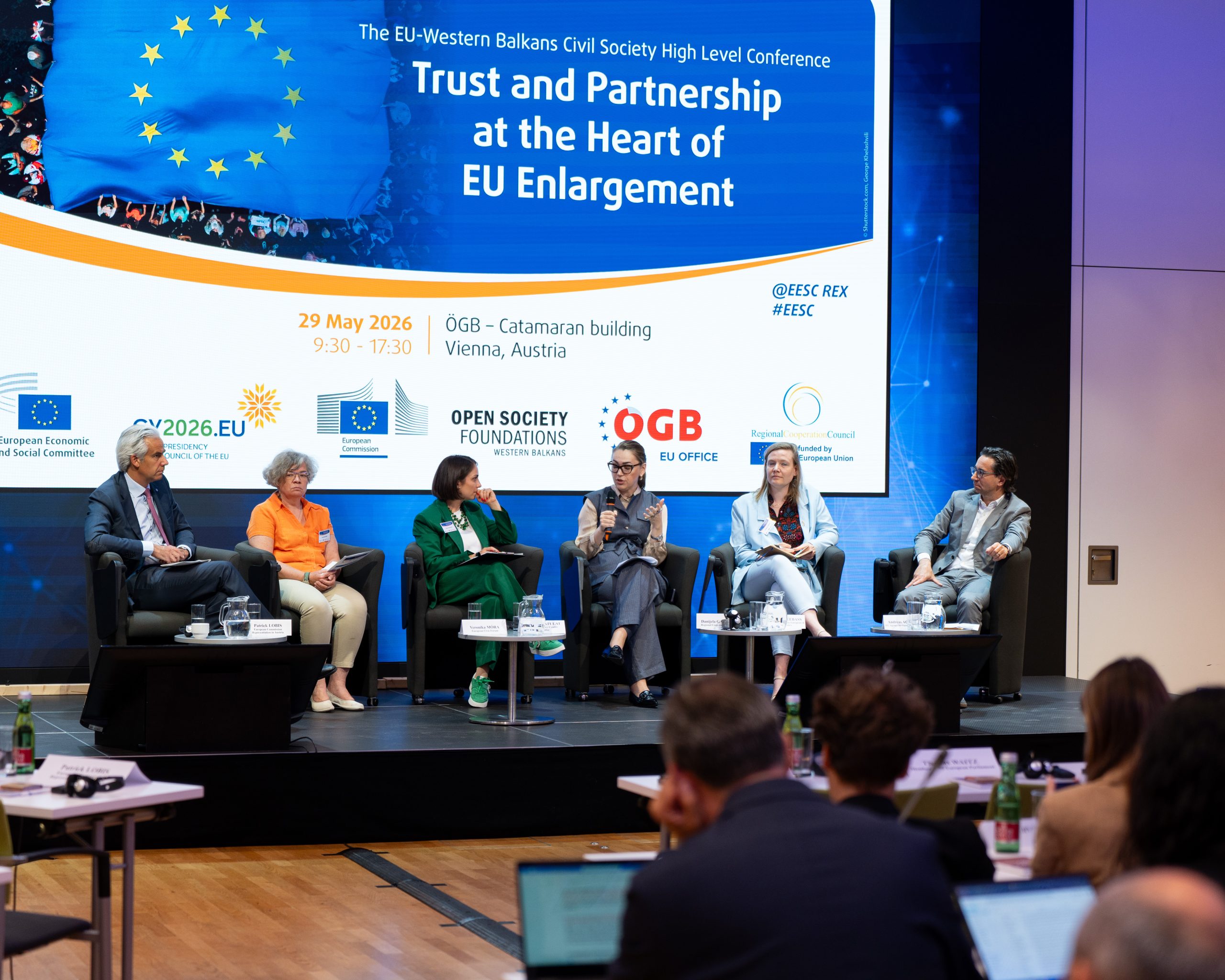
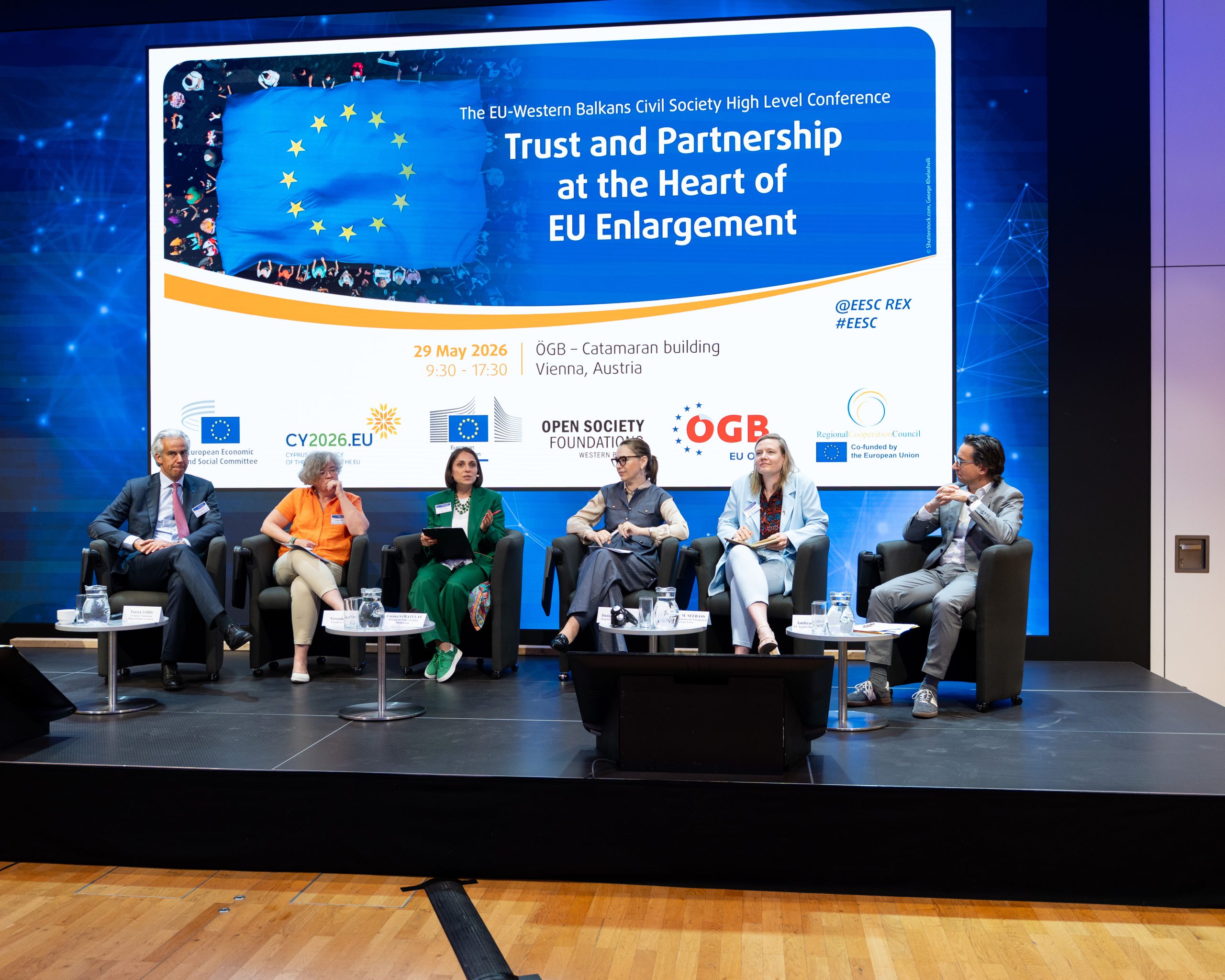
Frauke Seebass, Research Fellow, Wider Europe Programme – ELIAMEP & think nea – New Narratives of EU Integration, was one of the speakers at the panel “Enlargement and European Security: Public Expectations, Political Readiness and Civil Society’s Role” alongside Patrick Lobis, Head of the European Commission Representation in Austria, Danijela Gačević, Head of the Programme Department in the Secretariat of the Regional Cooperation Council, Veronika Móra, Co-President of the European Civic Forum and Andreas Accardo, Head of Unit, Institutional Cooperation and EU Charter, EU Agency for Fundamental Rights. The panel was moderated by Corina Stratulat (European Policy Centre).
Ms. Seebass explained how security policy drives the enlargement debate since 2022 in the EU, with new tools and strategies to accelerate the integration of candidates including in emerging joint initiatives and to close gaps that can be abused by malign actors, including supply chains. Drawing from the research findings of ELIAMEP’s initiative think nea – New Narratives of EU Integration (supported by OSF-WB), she highlighted the overlooked potential of the Western Balkans to European security and the likely detrimental effects of a renewed stalling of the enlargement process, she advocated for closer gradual and sectoral integration already before accession, and the inclusion of aligned candidate countries in strategic debates.
Δημοσίευση:
02/06/2026
 Έργα
Αναλυτές
Έργα
Αναλυτές
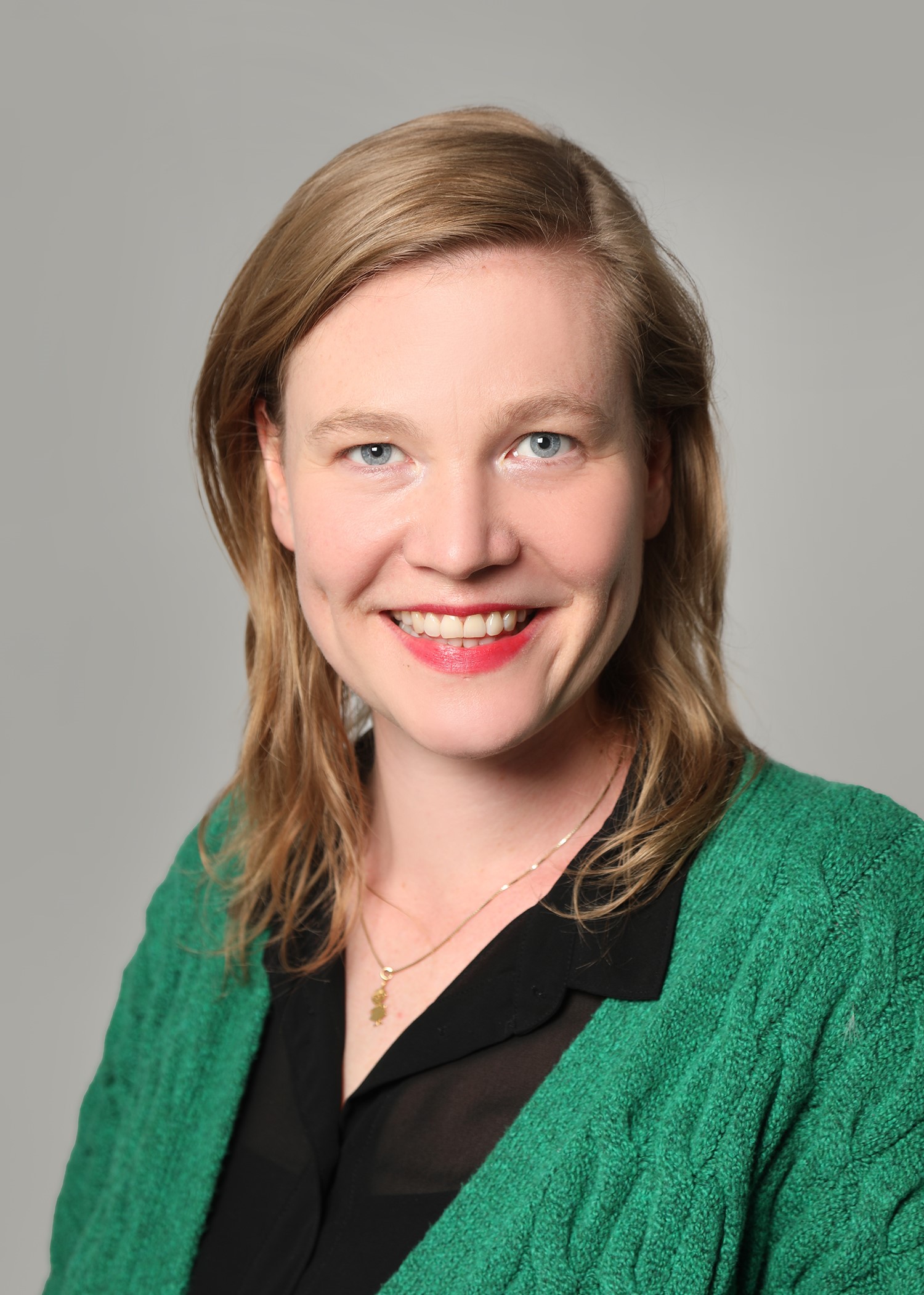
Frauke M. Seebass
Research Fellow, Wider Europe Programme, Brussels