




Experts

Ino Afentouli
Senior Policy Advisor; Head of the Observatory of Geopolitics and Diplomacy
Elena Lazarou
Director General
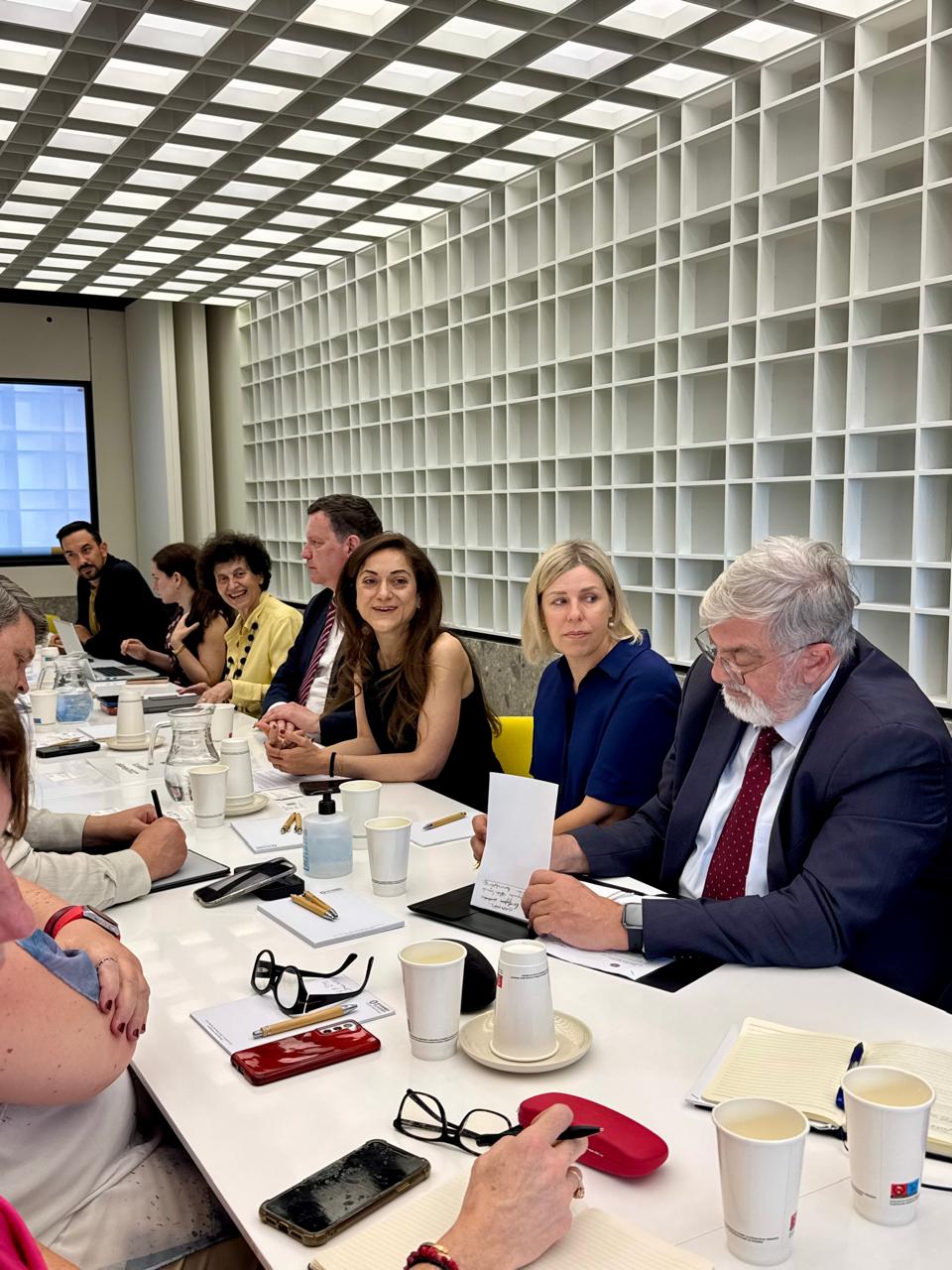
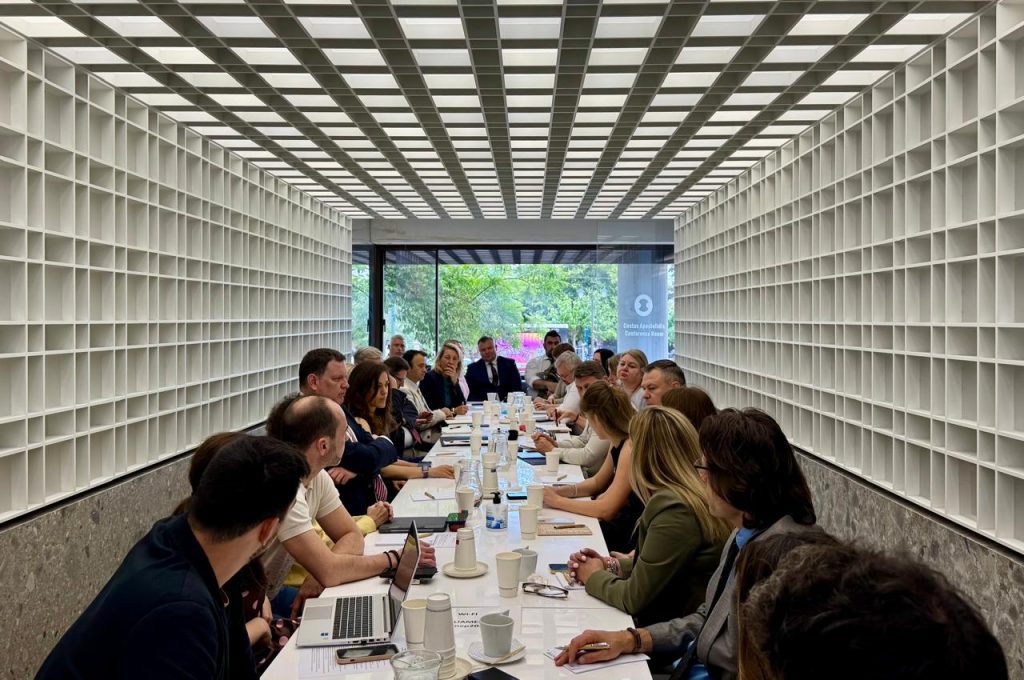
On Wednesday, June 17, the Hellenic Foundation for European and Foreign Policy (ELIAMEP) hosted a closed discussion on “The European Future of Ukraine”. With the participation of a parliamentarian delegation from Ukraine, as well as Greek and foreign diplomats and policy experts, the discussion focused on the current state of the war, Ukraine’s European perspective, the country’s evolving defense and security capabilities, and its role in the emerging European security architecture.
Participants underlined the importance of sustained European support for Ukraine, both in the context of the ongoing war and in view of the country’s long-term reconstruction. Particular reference was made to the upcoming Ukraine Recovery Conference in Gdansk, where concrete reconstruction initiatives are expected to be discussed, including opportunities for cooperation with European and Greek companies.
The discussion highlighted how Russia’s invasion has acted as a catalyst for the rapid transformation of Ukraine’s security and defense sector. Ukraine was described not only as a recipient of European assistance, but increasingly as a country that has developed valuable operational experience, technological know-how, and defense capabilities that can contribute to European security more broadly.
Particular emphasis was placed on the growing political convergence among European states regarding Ukraine. Participants noted that the changing conditions in the international system and Europe’s immediate neighborhood have reinforced the need for greater European cohesion, strategic autonomy, and self-reliance. In this context, Ukraine’s future was presented as inseparable from the future of Europe’s own security order.
The discussion also examined the need for clear and credible security arrangements for Ukraine, as well as continued military and financial assistance. Participants stressed that burden-sharing among European partners remains essential, while support for Ukraine also serves as a deterrent against further Russian aggression.
Reference was also made to Ukraine’s experience in modern warfare, including the development of defense, and technological capabilities. Participants noted that this experience could provide important lessons for European countries, particularly as Europe reassesses its own defense preparedness, procurement systems, and capacity for rapid innovation.
Finally, the discussion underlined the importance of communicating these developments more effectively to European societies. As the war continues to reshape Europe’s security environment, participants stressed the need for informed public debate on Europe’s readiness, resilience, and long-term responsibilities towards Ukraine and the wider European neighborhood.
 Projects