European institutions & policies
Security & foreign policy
Democracy, Identity, Culture
Migration
Wider Europe
Turkey
Mediterranean
Climate & Sustainability
European Economy
https://www.facebook.com/eliamep/
https://www.instagram.com/eliamep/
https://bsky.app/profile/eliamep.bsky.social
https://www.linkedin.com/company/eliamep/
https://www.youtube.com/channel/UC48JvfQuxtHnLISmRqvLV3g
Ελληνικά
English
ELIAMEP
RESEARCH FIELDS
European institutions & policies
Security & foreign policy
Democracy, Identity, Culture
Migration
Wider Europe
Turkey
Mediterranean
Climate & Sustainability
European Economy
PUBLICATIONS
PROJECTS
EVENTS
EXPERTS
NEWS & MEDIA
MULTIMEDIA
ELIAMEP Podcast Series
Podcast
Video
OPPORTUNITIES
Ελληνικά
Search
Categories
All publications
Policy Papers
Policy briefs
European Economy Policy Briefs
Working Papers
Southeast European and Black Sea Studies
Perspectives
Past releases
Research Fields
Security & foreign policy
Democracy, Identity, Culture
Wider Europe
European Economy
European institutions & policies
Climate & Sustainability
Mediterranean
Migration
Turkey
Reset
Turkey
Working Papers
Turkish Foreign Policy and the Iran War: Adapting to a New Regional Environment
Ioannis N. Grigoriadis
Ahmet Erdi Öztürk
Wider Europe
Why must enlargement be treated as a strategic investment? – ELIAMEP experts’ views
Ioannis Armakolas
Ana Krstinovska
Nikos Bakirtzis
Security & foreign policy
Policy Papers
The morning after: what happens to Iran when the bombs stop falling? Post-war trajectories and the role of Europe
Andreas C. Hatzidiakos
European institutions & policies
Policy briefs
Why Greece Should (Re)Establish a Bilateral Development Assistance Program
Asteris Huliaras
Wider Europe
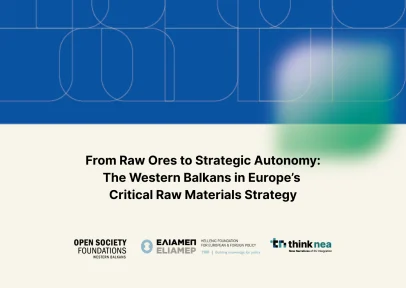
From Raw Ores to Strategic Autonomy: The Western Balkans in Europe’s Critical Raw Materials Strategy
Ana Krstinovska
Security & foreign policy
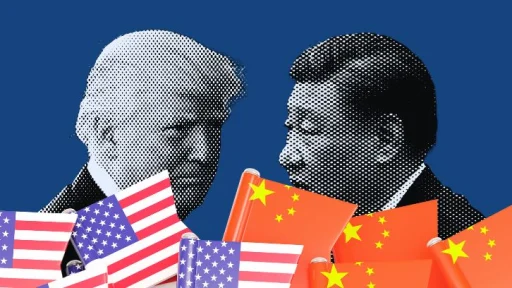
How does the Xi–Trump summit affect the strategic equilibrium of US–China relations, and what might the implications be for international security and the global economy? – ELIAMEP experts’ views
Dimitris Tsarouhas
Ino Afentouli
George Tzogopoulos
Eleni Ekmetsioglou
Turkey
Working Papers
Turkey – Iran: Managed Rivalry under Maximum Pressure
Derya Göçer
Wider Europe
Europe at a Crossroads: Setting the Course for a Resilient Continent
Frauke M. Seebass
Security & foreign policy
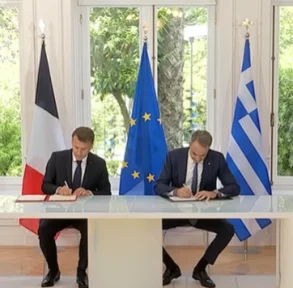
Greek-French Summit: Initial takeaways – ELIAMEP experts’ views
Ino Afentouli
Sophia Clément Mavroudis
1
2
3
…
174
Load More